
Ultimate Selection Of Pond Excavating Products For Professionals
Find high-performance tools and machinery tailored for professional pond excavation to ensure durability and efficiency.
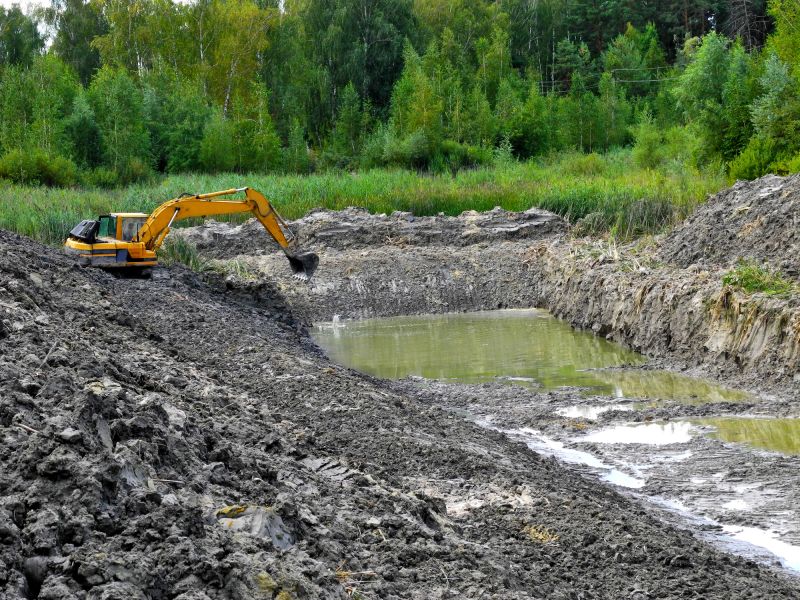 Pond excavation projects often require a variety of specialized tools and equipment to achieve successful results. Whether creating a new pond or maintaining an existing one, selecting the right products can make the process more efficient and manageable. From digging to shaping and finishing, the right tools help ensure the pond's structure is sound and aesthetically pleasing. Proper planning and choosing quality equipment are essential steps in any pond excavation endeavor.
Top Overall Option
Heavy-Duty Excavation Bucket
A versatile and durable excavation bucket designed for use with skid steers and compact loaders, ideal for moving soil, gravel, and debris during pond excavation projects. Its robust construction and wide capacity make it suitable for various soil types and project sizes, providing efficient material handling. Compatibility with multiple machinery types and ease of attachment make it a reliable choice for both professional and DIY pond builders.
Types of Products For Pond Excavatings
Mini Excavator
Compact machinery suitable for small to medium pond projects, providing precise digging and shaping capabilities.
Standard Excavator
Larger excavators capable of handling extensive excavation tasks with high efficiency and power.
Skid Steer Loader
Versatile machine that can be fitted with various attachments for digging, lifting, and grading.
Backhoe Loader
Multi-purpose equipment ideal for excavation, trenching, and material transport.
Hand Shovels and Spades
Essential manual tools for detailed shaping and finishing work.
Tamping Rammer
Used for soil compaction around the pond edges and base, ensuring stability.
Landscape Rakes
Tools for leveling soil, removing debris, and smoothing surfaces.
Drainage Pipe and Fittings
Components used to install proper drainage systems within the pond structure.
Soil and Gravel Sifters
Equipment for sorting and removing unwanted debris from soil and gravel.
Protective Gear
Safety equipment including gloves, helmets, and eye protection for safe operation.
Leveling Tools
Laser levels, spirit levels, and grading boards to ensure accurate pond contours.
Water Pumps
Used for dewatering or circulating water during excavation and construction.
Compaction Equipment
Vibratory plates and rollers to compact soil and prevent settling.
Soil Stabilizers
Chemical or mechanical products that help bind soil for added stability.
Erosion Control Products
Silt fences, mats, and barriers to prevent soil erosion during and after excavation.
Utility Poles and Stakes
Markers for site boundaries and guides during excavation.
Waterproof Liners
Materials for lining the pond to prevent seepage and protect the structure.
Popular Choices
A compact machine favored for its maneuverability and suitability for small pond projects.
Popular for its multi-functionality and ability to handle various attachments.
Essential tools that remain reliable for detailed work and finishing touches.
Commonly used to ensure proper water flow and prevent flooding.
Widely used for achieving accurate pond contours and smooth surfaces.
Frequently employed for dewatering during excavation and construction.
Popular for cleaning soil and gravel, removing unwanted debris.
Chosen for soil compaction to promote stability around the pond edges.
Standard safety equipment essential for safe operation.
Commonly used to manage soil erosion during and after excavation.
Frequently used for surface leveling and debris removal.
Popular for lining ponds to prevent water seepage.
Often selected to enhance soil stability around the pond.
Commonly used for marking and guiding excavation boundaries.
Valued for its versatility in various excavation and loading tasks.
Popular for soil compaction in tight spaces.
Selected for creating effective drainage layers.
Depending on the size and scope of the project, different types of equipment may be necessary. Smaller-scale projects might utilize hand tools and portable machinery, while larger excavations typically demand heavy-duty machinery capable of moving significant volumes of soil and debris. Additionally, accessories such as protective gear, leveling tools, and drainage components can contribute to a smoother excavation process. Understanding the specific needs of the project can help in selecting the most suitable products.
Safety considerations are also paramount when working with excavation equipment. Proper training, safety gear, and adherence to operational guidelines help prevent accidents and ensure a safe working environment. Maintenance and inspection of equipment before and during use can prolong the lifespan of tools and prevent unexpected failures. Overall, investing in reliable and appropriate products for pond excavations can lead to more successful and less stressful project completion.
By carefully evaluating the project requirements and available options, individuals can assemble a comprehensive toolkit tailored to their pond excavation needs. From initial site assessment to final touches, the right products support a smooth workflow and help achieve the desired pond features with confidence.
Key Buying Considerations
- Project size and scope to determine the appropriate machinery and tools.
- Soil type and composition to select suitable excavation equipment and accessories.
- Accessibility of the site and space constraints for machinery operation.
- Budget constraints and cost-effectiveness of equipment options.
- Compatibility of machinery with existing tools and attachments.
- Safety features and ease of operation for machinery and manual tools.
- Durability and build quality of equipment to withstand excavation demands.
- Availability of replacement parts and maintenance support.
- Ease of transportation and storage of equipment and tools.
- Specific features like adjustable blades, extendable arms, or specialized attachments.
- Environmental conditions such as moisture levels or presence of roots and rocks.
- Ease of setup and operational simplicity for DIY projects.
- Long-term usability and potential for future projects.
- Brand reputation and user reviews for reliability and performance.
- Availability of safety gear and accessories for comprehensive project safety.
This page contains affiliate links. Purchasing through these links may earn a commission at no additional cost to you, supporting ongoing content creation.